Right Way To Use Child Seats: MVD Officer Explains


Safety of occupants is one of the key factors that many buyers consider while buying cars in India. While we all look at safety ratings and the number of airbags, the safety of child occupants is often ignored. In many countries, parents are required to use child seats in their cars, but in India, we often take things lightly and carry kids in our arms. This is dangerous, and we have even come across a couple of incidents where children have lost their lives. Here we have a video where an MVD officer explains the importance of a child seat and demonstrates how to install it.
The video has been shared by MVD Kerala on their YouTube channel. In this video, the officer talks about the advantages of child seats and how they help save the lives of child occupants in a vehicle. We also see him explain the correct ways to install child seats depending on the child’s age.
The officer mentions that there are two types of child seats available in the market: R44 and R129. The R129 is more advanced and offers better protection for children. In older cars, child seats were secured using seat belts; however, in modern cars, we now have ISOFIX points where you can mount child seats more safely.
To ensure that the seat is firmly fixed, many cars also come with a top-tether feature, which keeps the seat in place. You should never install a child seat in the front co-passenger seat. The reason is the airbags. Cars come with dual front airbags, and in case of an accident, if the airbag deploys, it could hit the child or the seat, causing serious injury or even throwing the child seat out of position.
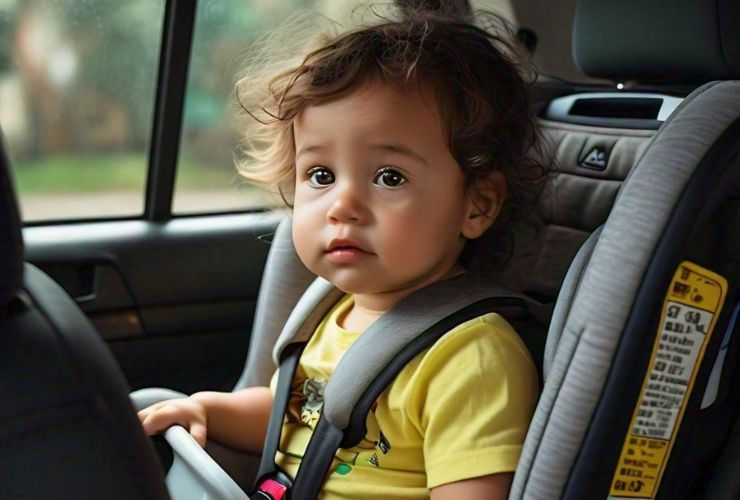
There are a few cars in the market that allow you to manually turn off the co-driver airbag. In such cases, you might consider placing the child seat in the front, but it is still not recommended. Even in the rear, there are proper ways to install the seat. For children aged three years or younger, the seat should be installed in a rear-facing position. This is done for safety, as the chances of serious injury or whiplash in case of an accident are higher otherwise.
For children aged 3 to 7 years, the seat can be forward-facing. If the child is between 7 and 13 years of age, there are booster seats available in the market. These seats act as a platform so that the child can sit at the correct height and use the seatbelt properly. Without a booster seat, the seatbelt can injure the child’s shoulder, neck, and even internal organs in case of an impact.
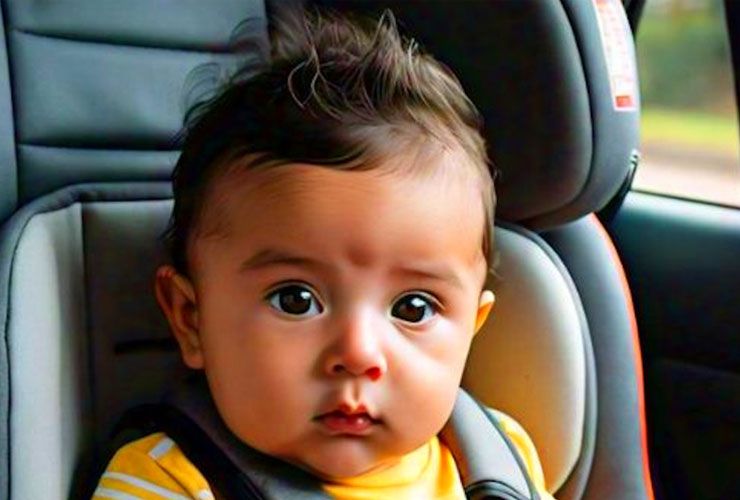
While many parents in India have started investing in child seats, many still do not fully understand how useful they are. The video ends by saying that in India, Motor Vehicle Act under Section 194B, Driving with a child under the age of 14 who is not secured by a seat belt or an appropriate child restraint system (like a child car seat) is punishable by a fine of ₹1,000.