A Hyderabad-Based Tech Company Is Paying Its Employees To Switch To EVs


A Hyderabad-based technology company has started paying its own employees to switch to electric vehicles, and the numbers are straightforward: Rs 10,000 for buying a four-wheeler EV and Rs 5,000 for a two-wheeler EV. Aja Consulting Services LLP launched this as its Green Workplace Movement, covering both EV purchases and a carpooling incentive scheme for employees who commute together.

The company is small and the amounts involved are not large. However, the initiative is a concrete example of private employers stepping in to nudge EV adoption in a way that goes beyond putting up charging points in the office parking lot.
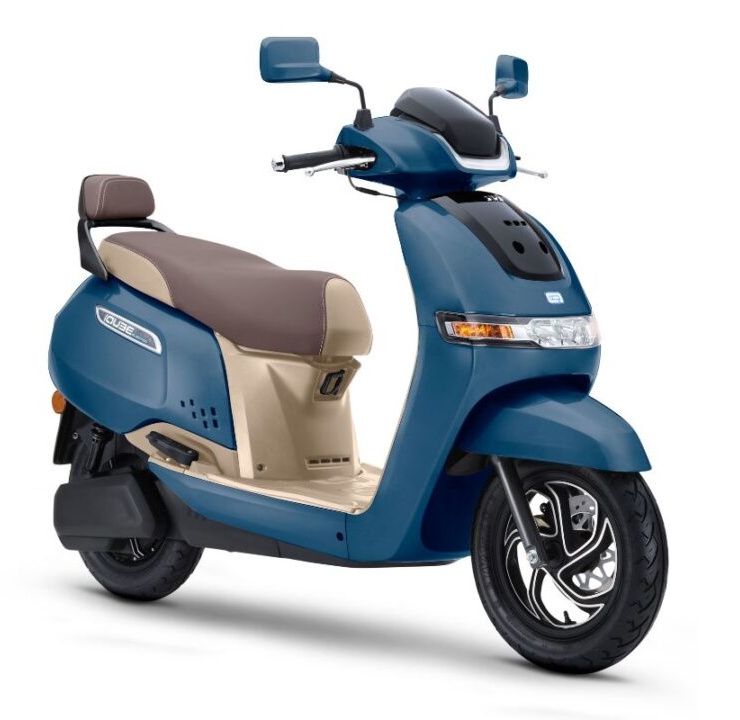
The upfront cost of an electric vehicle remains the most frequently cited barrier for first-time buyers, particularly in the two-wheeler segment. A good electric scooter from an established brand costs between 80,000 and 1.3 lakh rupees.
The best-selling petrol scooters sit between 75,000 and 95,000 rupees. The price gap at the point of purchase ranges from minimal to significant depending on the specific models compared. Many buyers who are open to EVs still hesitate at the showroom when they see the sticker price.
An employer subsidy of Rs 5,000 on a two-wheeler EV or Rs 10,000 on a four-wheeler does not close that gap entirely, but it gives prospective buyers that additional push.

Combined with state government subsidies where available, lower running costs and the convenience of home charging, even a modest employer contribution can be the nudge that moves a buyer from consideration to purchase.

Aja Consulting's scheme also includes incentives for carpooling among employees who commute to the office. This is a separate track from the EV subsidy and addresses a different problem: urban traffic density and fuel consumption from single-occupancy commutes. The two together, EV adoption and carpooling, are the most accessible levers for a company that wants to reduce the carbon footprint of its daily employee commute without building new infrastructure.
Two-wheeler commuters in Hyderabad typically cover 20 to 40 km a day in city traffic. At current petrol prices above 98 rupees per litre and a scooter returning 45 km per litre in city conditions, that is roughly 45 to 90 rupees a day in fuel.
An electric two-wheeler doing the same distance costs around 6 to 12 rupees in electricity at home charging rates. The annual saving on fuel alone runs to 10,000 to 20,000 rupees for a regular commuter, making the Rs 5,000 one-time subsidy a relatively small addition to a much larger ongoing financial benefit.
Companies with hundreds or thousands of employees in a single city, where most staff commute daily by two-wheeler or car, have the potential to shift meaningful volumes simply by extending a structured financial incentive to buy electric.
At the scale of a large corporate fleet or HR benefits programme, even a Rs 5,000 subsidy multiplied by several thousand employees changes the per-unit economics of EV adoption in a way that individual government schemes often struggle to match.