Electric SUV Owner Faces 70 % Depreciation In Just 4 Years: Highlights Poor EV Resale


We all are aware of the fact that electric cars’ resale values are very uncertain in India. However, to what extent they are uncertain is only found out after we see some real-life examples. Recently, a 2021 Tata Nexon EV XZ+ owner who wants to sell his vehicle has shared his frustration about how much he is getting for his car, for which he paid Rs 15 lakh and used it for four years.
This particular post, in which the owner explains how he has been hit with the reality of selling an EV today, has been shared on X by Trading with Logic on their page. It starts off with the person mentioning that on 27th December, 2021, he paid Rs 15 lakh for his Tata Nexon EV XZ+ variant. He added that the vehicle provides him with a real-world driving range of 220 km.
Now he wants to sell the Nexon EV to upgrade to a newer EV which will provide him with higher real-world range. And for this, he is considering upgrading to the MG Windsor EV or the VinFast VF7 electric SUV. The owner also mentioned that another reason for the upgrade is the rapid improvement in EV technology.
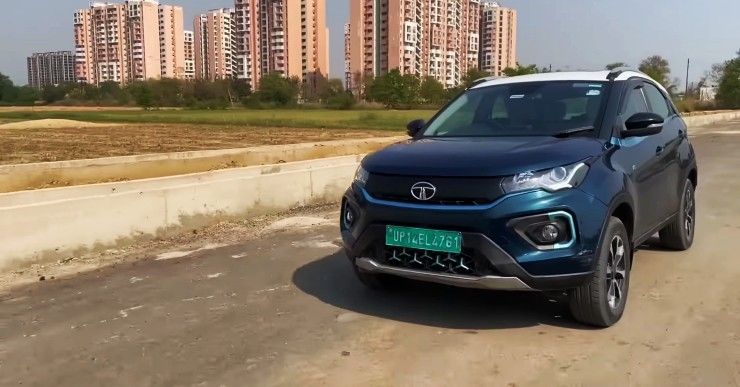
In the same post, the owner then mentions that he expected to get Rs 6.1 lakh for his 2021 Tata Nexon EV XZ+ (this amount is already a significantly reduced amount from the Rs 15 lakh he paid for it initially). Unfortunately, when exchanging it at dealerships, he is only being offered an exchange value of Rs 4.5 lakh (70 percent loss in value).
Meanwhile, online platforms like Cars24 are offering him Rs 4 lakh. The owner added that he has also been trying to sell the Nexon EV through Facebook Marketplace and Olx as an individual seller as well. However, despite listing it for Rs 6.1 lakh, he is only getting offers of Rs 5 to 5.5 lakh, with buyers still showing hesitation. The owner added that some potential buyers finalized but backed out due to budget constraints, which also added to his frustration.

The owner of the Nexon EV, in his post, has highlighted that he strongly feels that EV resale values are currently very weak, and they depreciate much faster than petrol and diesel cars. His observation is that newer EV launches have negatively impacted older models. Currently, newer models are more affordable and offer better range and features.
Due to these reasons, selling older EVs in the market has become very difficult, and people are seeing them as bad deals. The owner also highlighted that another major concern of used EV buyers is battery health. He explained that most buyers hesitate because of battery-related concerns. There is a common misconception that EV batteries degrade quickly like smartphone batteries.
Currently, buying EVs has its ups and downs, and if someone wants to buy an EV, they should be absolutely clear about a few things. The first thing is that they should only buy an EV if they drive more than 1,500 km. If they do not have such high running, then it makes no sense to buy an electric vehicle.
Additionally, people should not buy an electric vehicle if they want to quickly upgrade their vehicle. This is because, to extract the most value from an EV, it has to be used for over 7–8 years (this is the case for any car). Lastly, EVs should be bought only by those who have direct access to home charging. Otherwise, depending only on public infrastructure will cause massive issues and will cost a lot of money.
Apart from the above-mentioned Tata Nexon EV case, recently another case became viral online. What happened was that a Tata Punch.ev owner, who bought his vehicle 7 months ago for Rs 13.7 lakh, was offered only Rs 8 lakh as exchange value for the newly facelifted Tata Punch.ev. The owner highlighted that the offer was given to him by the same Tata Motors dealership from which he bought his Punch.ev 7 months ago.