Women Drivers Are Better Than Men: Ahmedabad RTO Data


If you are a woman who has been jokingly told that women are not good drivers, then you can show this. We are saying this because recently, data from the Ahmedabad Regional Transport Department (RTO) has revealed that women are now better than men in driving licence tests. What makes this even more credible is that these statements are based on actual driving results and not just surveys and perceptions.

According to Subhash Bridge RTO data from the last three financial years, men have an average passing rate of 53 percent (in the first attempt), and women have a slightly higher 54 percent rate (first attempt). This result is more significant because it is believed that car driving is often perceived as more skill-intensive, and it also challenges the stereotype that women lack confidence in the technical ability required for handling cars.
Another important statistic that has been revealed is that in the financial year 2023–24, women cleared four-wheeler driving tests at a rate 11 percent higher than men, which is extremely significant. This result has been attributed to the growing confidence and preparedness among women drivers. It is also possible that women are better at adhering to test rules and discipline.

In addition to the four-wheeler driving data, the Ahmedabad RTO has also released the data of two-wheeler tests. In this data, it has been highlighted that men have a pass rate of 84 percent. Meanwhile, women have a pass rate of 77 percent. The difference between the two is 7 percent, which is significant. It has been mentioned that the 77 percent pass rate is still very high, which shows that women now have stronger competence in two-wheeler riding.
According to Vastral RTO data, there is a variance of 20 percent between men (67 percent) and women (47 percent) in passing rate. However, this has been attributed to the difference in test difficulty and variations in training quality. This suggests that there is still a lack of uniformity across different areas.
The combined result of the two-wheeler and four-wheeler data has highlighted that men have a 60 percent rate in driving licence tests. Meanwhile, women have a 58 percent passing rate, which is just 2 percent lower. This suggests that men and women are almost equal in driving competence. Additionally, it has been mentioned that this marginal gap is within normal variation, and there is no meaningful skill difference.
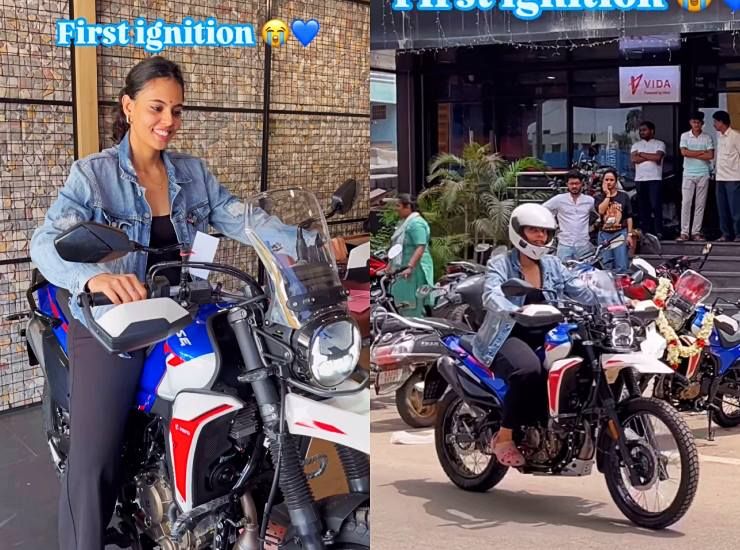
Traditionally, women have been seen as less confident drivers and poor at handling complex traffic situations. They have also long been perceived as slow decision-makers. However, these results from actual data have highlighted that women are now on par with men in driving, and they are showing consistency and discipline while driving, which is helping them achieve higher passing rates.