Citroen e-C3X Electric Micro SUV Teased Ahead Of Launch


Citroen is preparing to expand its electric range with the e-C3X, a more feature-rich version of its existing electric hatchback formula. The teaser points to a car that keeps the basic C3 platform but addresses one of the biggest complaints around the current e-C3: the feature list.

That matters because the original e-C3 had a simple proposition. It offered an electric hatchback at a relatively accessible price, but it also felt visibly cost-controlled. Buyers noticed the missing equipment, especially when rivals were offering more screens, cameras, connected features and better cabin details.
The e-C3X appears to be Citroen’s attempt to fix that gap without moving completely away from the affordable EV space.

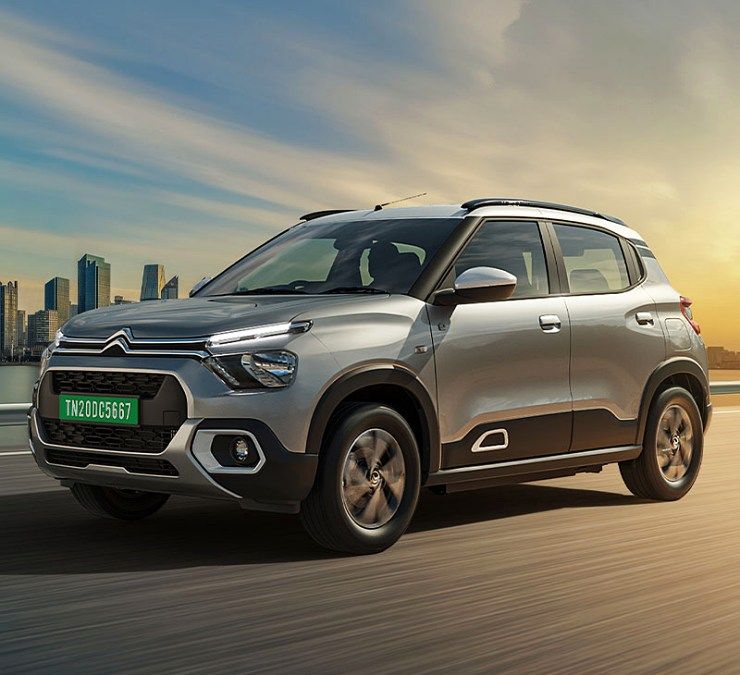
The teaser points to several upgrades that should make the e-C3X feel more competitive. Projector headlamps are expected to replace the more basic lighting setup. The car also shows black outside rear-view mirrors with integrated turn indicators, a rear wiper, dual-tone paint and more premium-looking wheels.
The biggest confirmed feature is the 360-degree camera system. This is a major change for a brand that initially launched the C3 and e-C3 with a very basic equipment package. A 360-degree camera may not be essential for a small hatchback, but it has become a strong showroom feature in India because buyers associate it with a more premium experience.
Citroen has already used the C3X badge on its upgraded petrol hatchback range, where it added features such as cruise control, auto-dimming IRVM, keyless entry, push-button start and the Halo 360 camera system. The e-C3X is likely to follow the same logic for the electric version.

Citroen’s India challenge has not been product comfort. The C3 and e-C3 have been appreciated for ride quality and space. The problem has been equipment, dealer reach and value perception.
Indian buyers in the Rs 10 lakh to Rs 15 lakh EV space compare cars very closely. A missing rear camera, basic cabin finish or limited feature list can hurt a model even if the core engineering is competent. Tata has understood this well with the Tiago EV and Punch EV, while MG has used the Comet EV to offer a city-focused alternative with a strong tech-heavy cabin.
The e-C3X therefore has to do more than look different. It has to feel like a more complete car inside and outside. Adding visible features is the fastest way to change that perception.
The biggest unknown is the powertrain. The current e-C3 uses a 29.2 kWh battery pack and an electric motor producing 57 PS. Its claimed range is 320 km. For city use, that can work well enough. For highway use or buyers who want stronger performance, the set-up feels modest.
If Citroen keeps the same battery and motor, the e-C3X will mainly be a feature upgrade. That would still make it more attractive, but it may not change its position in the market dramatically.
If Citroen brings a larger battery pack or stronger motor, the story changes. A larger battery would allow the e-C3X to move closer to the Tata Punch EV and Nexon EV discussion rather than being seen only as a Tiago EV alternative. However, that would also push up cost, and pricing is central to this segment.
This is the balancing act Citroen has to manage. A bigger battery improves the car’s appeal, but it could also take it out of the value zone where the e-C3 has its best chance.
The petrol C3X showed Citroen’s willingness to add features while still keeping aggressive pricing. The C3 X range starts from a much lower base than most compact SUVs, with higher trims adding more equipment. The e-C3X will need a similar approach.
If the e-C3X is priced too close to stronger, longer-range EVs, buyers may simply move to a Tata Punch EV or Nexon EV. If it is priced sharply while adding the features missing from the current e-C3, Citroen could finally have a more convincing entry EV.
The Rs 10 lakh to Rs 15 lakh electric space is becoming important because fuel prices have made running costs a stronger purchase factor. Buyers who earlier looked only at petrol hatchbacks and compact SUVs are now at least considering EVs. But they are not willing to accept a stripped-down cabin just because the car is electric.
Citroen has also been working to expand its customer touchpoints. This matters because EV buyers need more reassurance than petrol-car buyers. They want clarity on charging support, battery warranty, software updates, service access and spare parts.
A better-equipped e-C3X will help at the product level, but Citroen also needs better visibility outside a handful of major cities. A strong price and feature list will not be enough if buyers are unsure about service support.
The e-C3X therefore has two jobs. It has to correct the original e-C3’s feature weakness, and it has to make Citroen look more serious in the mass-market EV space. The teaser suggests the first part is being addressed. The launch will reveal whether the battery, price and network story are strong enough to complete the second.