Delhi’s New EV Policy Mandates Scrapping Old Petrol, Diesel Cars For Maximum Subsidies


The Delhi Budget 2026 has officially introduced EV Policy 2.0, allocating a dedicated ₹200 crore outlay to accelerate the adoption of battery-powered vehicles. Unlike the previous framework that offered direct financial incentives simply for purchasing an electric vehicle, the new policy strictly ties the highest subsidy brackets to the decommissioning of older, polluting vehicles. This scrappage-linked approach marks a significant pivot in the capital’s strategy to clean up its air.

Buyers looking to claim the maximum financial support must now produce a Certificate of Deposit. This certificate serves as proof that they have successfully scrapped a Delhi-registered BS-IV or older petrol or diesel vehicle. By linking benefits directly to scrappage, the government is ensuring that every new subsidized electric car actively replaces an existing emission source on the road, rather than just adding to the city's severe traffic congestion.
The incentive structure for the first year of EV Policy 2.0 brings specific caps and flat rates. For private electric cars, buyers can claim up to ₹1,00,000. However, this is strictly limited to vehicles priced below ₹15 lakh and is capped at the first 1,00,000 applicants. This price ceiling means popular budget-friendly models will qualify, keeping the focus on mass-market adoption.

The two-wheeler segment sees a major structural change. The government has discarded the previous model that linked the subsidy amount to the battery capacity of the scooter or motorcycle. Instead, buyers will now receive a flat ₹10,000 incentive. For the commercial sector, electric three-wheelers falling under the L5M category are eligible for a ₹25,000 subsidy.
In a novel move for the capital, the policy also addresses existing internal combustion engine vehicles that owners may not want to scrap. A ₹50,000 grant has been proposed for owners who choose to convert their current petrol or diesel cars into electric vehicles using certified retrofit kits.
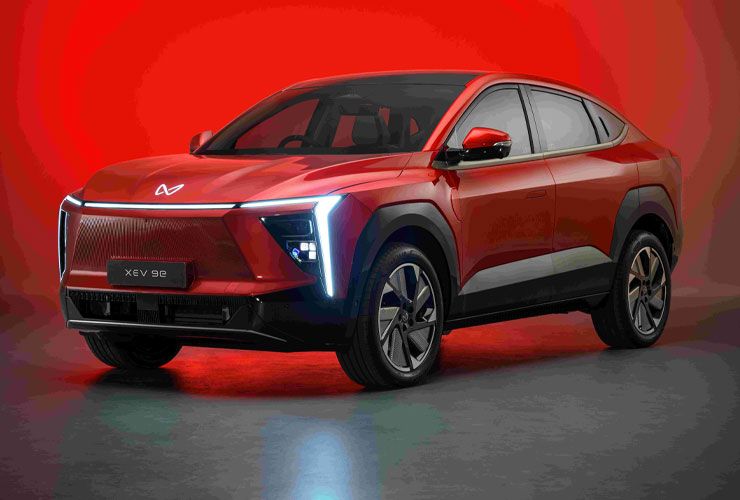
Beyond direct cash incentives, the previous EV policy was famous for waiving road tax and registration fees entirely, regardless of the vehicle's price. EV Policy 2.0 extends the 100 percent waiver on road tax and registration fees until March 31, 2030, but introduces a crucial price cap to plug what authorities consider a luxury loophole.
Electric cars with an ex-showroom price of up to ₹30 lakh will continue to enjoy full tax exemption. Any premium or luxury electric vehicle priced above this ₹30 lakh threshold will now attract standard road tax and registration rates. Chief Minister Rekha Gupta stated during the budget session that the primary goal is to ensure EVs are affordable for middle-class families, emphasizing that the tax benefits should not disproportionately favor buyers of high-end luxury models.
The shift from a universal subsidy to a scrappage-linked benefit is a pragmatic policy on paper, but its success will depend entirely on execution. The process of scrapping a vehicle requires a robust network of authorized and accessible scrappage centers. If the administrative process to obtain a Certificate of Deposit is plagued by delays, potential buyers might skip the EV transition entirely.
Similarly, while the ₹50,000 grant for retrofitting is an interesting addition, certified electric conversion kits for cars remain expensive and technically complex. The upfront cost of a reliable conversion often runs into several lakhs, meaning the grant may only cover a fraction of the total expense. Ultimately, Policy 2.0 firmly redirects state funds toward the budget and mid-range segments, demanding tangible environmental trade-offs from buyers in exchange for taxpayer-funded subsidies.