Strong Hybrid Cars To Get Rs. 1.75 Lakh Cheaper In Delhi Under New EV Policy 2.0


Buying a hybrid car in the national capital could soon become significantly cheaper. Under the upcoming Delhi Electric Vehicle Policy 2.0, the state government has proposed extending substantial road tax and registration fee exemptions to strong hybrid and plug-in hybrid vehicles.
Until now, these lucrative financial benefits were strictly reserved for fully battery electric vehicles. If the draft policy is officially notified and implemented, it will eliminate a major pricing hurdle for buyers looking to transition to greener mobility, especially those who want lower running costs but want to avoid the charging anxiety associated with pure electric cars.
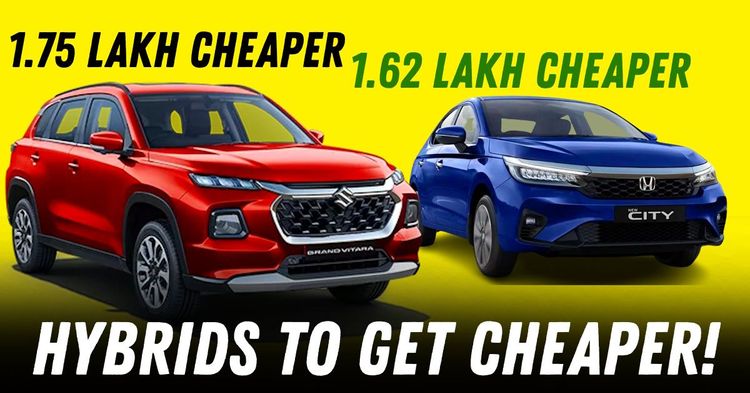
The drafted policy specifically targets hybrid passenger vehicles with an ex-showroom price of up to Rs 20 lakh. Currently, buyers in Delhi have to pay a substantial percentage of the vehicle's value as road tax on petrol-hybrid vehicles, which severely inflates the final on-road price. to the tune of Rs. 1.75 lakh.

By waiving both the road tax and the initial registration fees entirely, the government is effectively closing the premium price gap between standard internal combustion engine cars and their more complex hybrid counterparts.
For consumers, this move translates into direct, upfront savings of over a lakh rupee on popular showroom models. Vehicles that fit perfectly into this proposed pricing criteria include the strong hybrid variants of the Maruti Suzuki Grand Vitara, the Toyota Urban Cruiser Hyryder, and the Honda City e:HEV sedan.
There are a slew of affordable strong hybrid cars lined up for launch including the Kia Sorento, Seltos Hybrid, the new Hyundai Creta and the Maruti Fronx Series Hybrid. All these cars could benefit from the big road tax waiver in Delhi, and encourage more automakers to launch affordable strong hybrid cars. Notably, Delhi is one of India's biggest car markets, with the country's highest car penetration (double the national average).

These specific models have already seen strong organic demand due to their exceptional fuel efficiency, which routinely exceeds 25 kilometres per litre in dense city traffic conditions. Removing the heavy state tax burden makes the long-term financial math of owning a hybrid far more compelling for the average daily commuter.
The draft policy draws a very clear and necessary technological line. The proposed tax exemptions are exclusively meant for strong hybrid electric vehicles and plug-in hybrid electric vehicles. These are cars equipped with a dedicated electric motor and a larger battery pack capable of driving the vehicle purely on electric power for short distances, particularly at slow city speeds.

The policy explicitly excludes basic mild-hybrid vehicles from these state benefits. Mild hybrids simply use a small starter-generator to assist the petrol engine during initial acceleration and to manage the automatic start-stop function at traffic lights. They cannot propel the car on electric power alone. This strict technological distinction ensures that the state tax benefits are only awarded to vehicles that deliver a meaningful, measurable reduction in tailpipe emissions and overall fuel consumption.
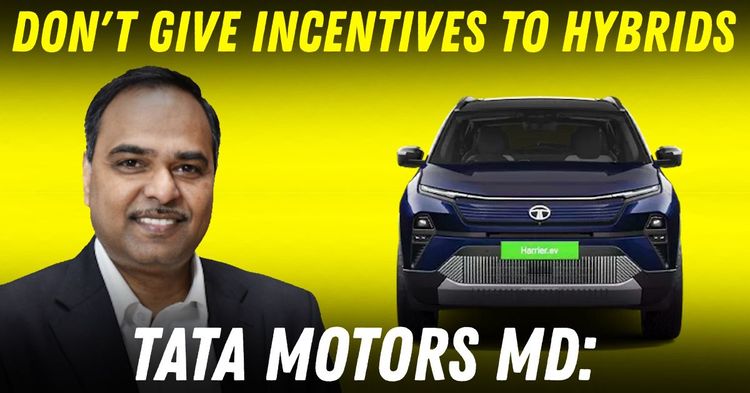
The inclusion of hybrid technology in an electric vehicle policy has sparked a sharp divide among competing automakers. Manufacturers who are heavily invested in pure electric vehicle portfolios have raised concerns, arguing that hybrid cars still burn fossil fuels, produce tailpipe emissions, and therefore should not share the incentive pool explicitly meant for zero-emission vehicles. However, the Delhi government’s pragmatic move reflects a growing regulatory acceptance of hybrids as a necessary and practical stepping stone toward full fleet electrification.
This new approach perfectly aligns Delhi with neighbouring Uttar Pradesh, which completely waived registration charges for strong hybrid vehicles earlier in July 2024. By standardising these critical tax benefits across the broader National Capital Region, the policy could dramatically accelerate hybrid vehicle adoption. For a car buyer working with a strict budget of under Rs 20 lakh, the combination of unmatched fuel efficiency, absolute zero range anxiety, and a massive cut in upfront taxes could make a strong hybrid the most logical choice on the showroom floor.
Via TheIndianExpress