Rs 10,000 Fine & No Fuel For Vehicles Without Valid PUC In Delhi


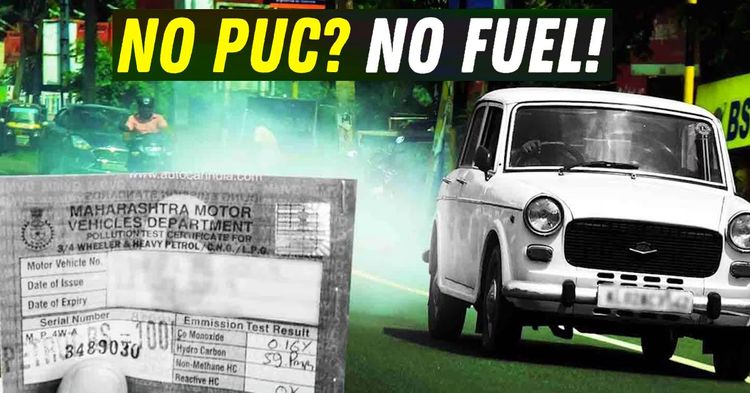
Pollution is one of the major issues that people living in the national capital have been facing for a very long time. Authorities often come up with new regulations, like diesel bans, to keep a check on this issue. Now, in order to intensify efforts to control pollution, concerned authorities have introduced a new set of directives. As per the new circular, fuel pumps in Delhi will only dispense fuel to vehicles with a valid PUC certificate.

Vehicles without a valid PUC certificate will not only be denied petrol, diesel, or CNG but will also be given hefty fines. A valid PUC is now mandatory for any kind of fuel, and this new measure has been turned into a permanent anti-pollution initiative, which means these checks will be in place all year round.
Agencies such as the Transport Department, the Food and Supplies Department, the Municipal Corporation of Delhi, and the Delhi Traffic Police are responsible for enforcement. If your vehicle doesn’t have a valid Pollution Under Control certificate and you drive to the nearest petrol pump, it can lead to consequences beyond just a basic fine. Under the Central Motor Vehicles Rules, 1989, authorities will issue a challan on the spot. This could be done either by a traffic police officer or through an automated system. The fine amount is expected to be Rs 10,000 and upwards.
It doesn’t end there. If your PUC certificate has expired, it may also cause delays or even lead to the denial of insurance claims. Many insurance companies expect compliance with emission norms, and a lack of a valid pollution control certificate could delay or even result in the rejection of claims.
While the central law has set the maximum fine, the actual amount may vary depending on the area and how strictly the new rules are enforced. Delhi Chief Minister Rekha Gupta last month had given directives to officials to ensure that the ‘No PUC, no fuel’ rule is strictly followed in Delhi.
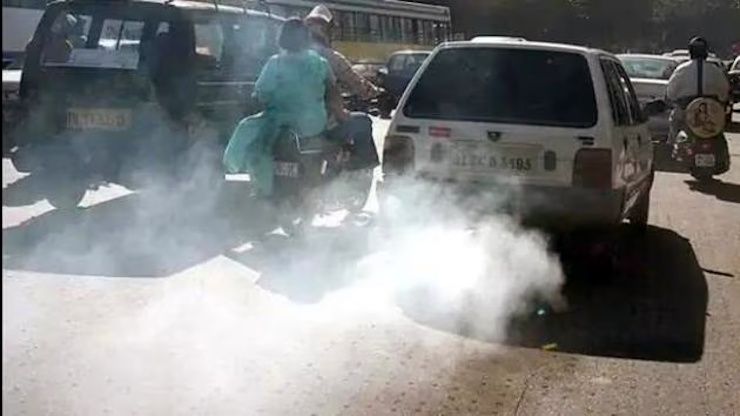
Every year during winter, Delhi and nearby areas experience heavy smog and high AQI levels. Last year, the Centre for Science and Environment released a new analysis stating that gases such as carbon monoxide and nitrogen oxide have shown a significant spike in the Delhi-NCR region. The study also mentioned that emissions from vehicles are adding to the problem and contributing to rising pollution levels.
The analysis by CSE collected data from October 1 to November 15. It found PM2.5 levels rising and falling in tandem with nitrogen oxide (NO₂) during morning and evening hours. PM2.5 levels increased during office hours, when more vehicles are on the road - both during morning commutes and evening returns. The data clearly indicated how vehicles and traffic congestion are contributing to the worsening situation.
Hopefully, the new rules and instructions will be implemented strictly, and we will see an improvement in AQI levels in the coming times.