Luxury Cars Now Come With A Guaranteed Exit Price. Here Is How That Works


Buying a luxury car has always carried a hidden anxiety that the brochure never mentions. You spend Rs 60 lakh or more on a new sedan or SUV, drive it for three or four years, and then face the uncomfortable reality of trying to sell it in a second-hand market where depreciation has already done serious damage. Luxury carmakers have been aware of this hesitation for a long time. Their latest response is a growing wave of structured buyback schemes that promise a guaranteed resale value before you even sign the purchase papers.
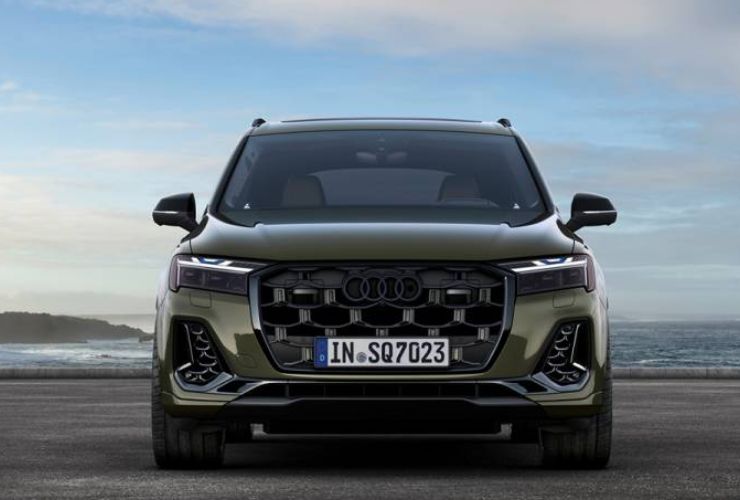
Several brands are now active in this space, each with its own structure and timeline. Audi India has an Assured Buyback Programme running through its dealer network that guarantees 60 percent of the car's ex-showroom price after three years or 45,000 km, and 50 percent after four years or 60,000 km.
This scheme covers six models: the A4, Q3, Q3 Sportback, A6, Q5, and Q7. Lexus has launched a similar plan called the Smart Ownership Plan, tied to models including the NX, ES, and RX, and packaged with an eight-year warranty and a structured upgrade option at the end of the tenure.
BMW runs a 360-degree programme that lets buyers select their contract duration, annual mileage limit, and financing structure, with an assured buyback value locked in at the start.
The mechanics of these programmes follow a broadly similar pattern across brands. When you buy the car, you opt into a buyback scheme at the dealership level.

Your monthly EMIs are structured around paying only for the depreciation during the ownership period, not the full vehicle value. At the end of the agreed term, you have three choices: return the car and claim the guaranteed buyback amount, use that value as a down payment toward a new model, or pay the remaining balance and keep the vehicle outright.
The guaranteed value is not the same as the market resale price. It is a floor that the manufacturer or its financial arm commits to, regardless of what the used car market looks like three or four years from now.
For a buyer who has spent Rs 80 lakh on an Audi Q7, a 60 percent guaranteed value means a confirmed floor of Rs 48 lakh on exit, provided the car has been maintained under the programme's conditions, including mileage caps and service history requirements.

The financial logic for buyers who upgrade frequently is straightforward. In a conventional purchase, a luxury car loses anywhere between 15 and 25 percent of its value in the first year alone, and by year three, the depreciation curve has already eaten a significant portion of the initial outlay.
A guaranteed buyback scheme eliminates that uncertainty. The buyer knows exactly what the exit price will be and can plan accordingly without depending on the volatile used car market.
For first-time luxury car buyers, the psychological benefit is equally significant. A common reason people hesitate to step up from a Rs 25 lakh mass market SUV to a Rs 60 lakh luxury model is the fear that the premium paid will evaporate on resale. A structured exit plan with a contractually guaranteed floor value addresses that concern directly.
These programmes are not unconditional guarantees. Every scheme comes with mileage caps, mandatory service requirements at authorised workshops, and condition clauses that the vehicle must meet at the time of return.
Exceeding the mileage limit or missing scheduled services can reduce or void the guaranteed value entirely. Most schemes also tie the EMI structure to a balloon payment at the end, meaning the final month's payment can be significantly larger than the regular instalments if the buyer chooses to retain the vehicle rather than return it.
The schemes are also largely dealer-driven, which means availability, exact terms, and processing can vary between cities and dealership networks. Getting the specific numbers confirmed in writing before purchase remains the most important step for any buyer considering this route.