

Maharashtra Transport Minister Pratap Sarnaik has directed the state’s Cyber Crime department to file First Information Reports against the founders of Ola, Uber and Rapido over what the state government describes as unauthorised bike taxi operations.
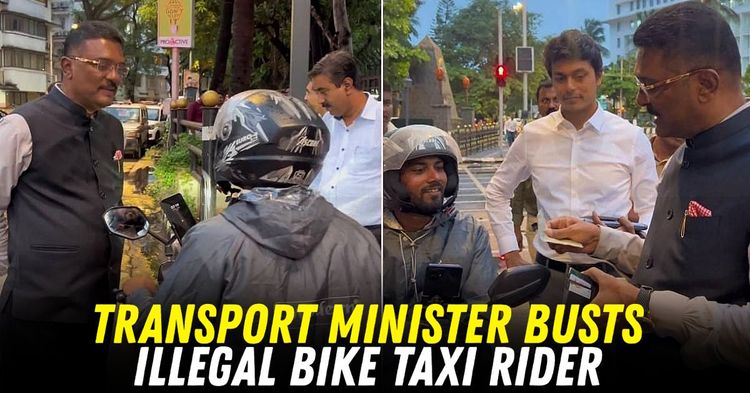
The order was issued on May 16, 2026. The Transport Commissioner also communicated the direction separately to the Cyber Crime department.
The immediate trigger is the state government’s revocation of temporary licences that had been granted to these platforms for bike taxi services. According to Sarnaik, the licences were revoked because the companies failed to submit required documents and compliance records despite repeated directions.
The specific violations cited include using petrol-powered motorcycles instead of electric vehicles as required under the licence conditions, and harassment complaints by women passengers against riders on these platforms.
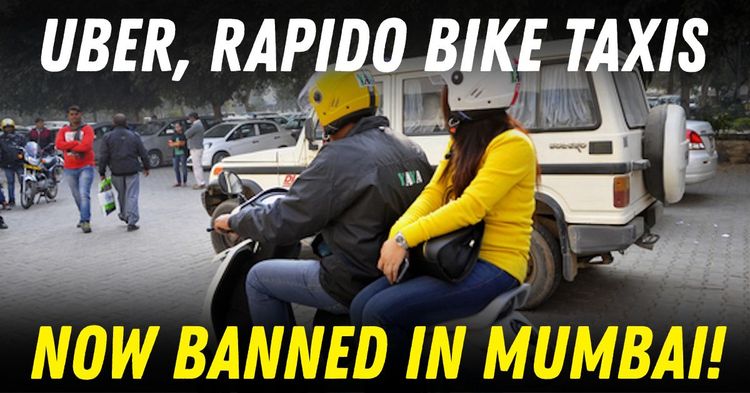
Social media reports following the government’s announcement suggested that Ola, Uber and Rapido were being shut down entirely in Maharashtra. The Maharashtra Directorate General of Information and Public Relations quickly denied this.
The action applies only to bike taxi services operated by these platforms, not to car-based cab services. Ola Cabs, Uber cars and Rapido cab bookings continue to operate normally in the state.
This distinction matters because all three platforms generate significant volumes of cab rides daily in Mumbai and Pune. A total shutdown would have disrupted urban commuters across Maharashtra. The FIRs sought are specifically linked to bike taxi operations and alleged non-compliance.
Maharashtra Cyber has also reportedly moved to act against app-based access to illegal bike taxi services. That adds a digital enforcement layer to what was earlier mostly a transport department issue.
Bike taxis have operated in a regulatory grey zone across several states for years. Maharashtra had allowed them on a temporary basis while a formal framework was being discussed.
That temporary approval came with conditions. One of the most important was the use of electric two-wheelers. This was meant to align bike taxis with the state’s EV policy and reduce emissions from high-use urban mobility.
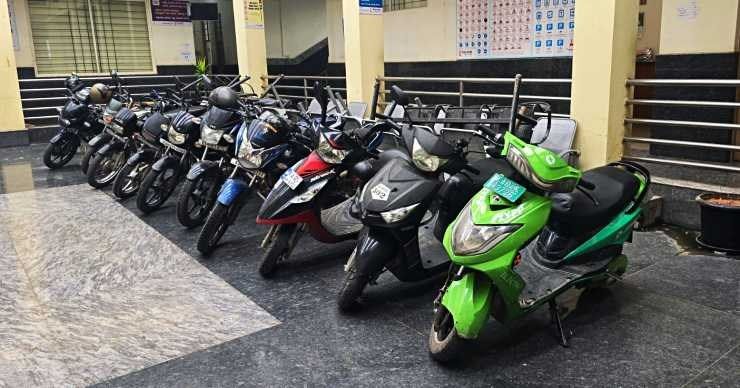
The government’s claim is that platforms continued using petrol motorcycles despite the condition. That is a more concrete charge than a general safety complaint because it can be verified through vehicle records, platform data and registration details.
If a licence was granted for e-bike taxis and petrol bikes were used instead, the state has a clearer compliance case.
The second issue is passenger safety. Sarnaik has referred to harassment complaints from women passengers. This is important because bike taxis involve closer physical proximity than car rides, and most riders are not operating from a conventional taxi-permit system.
For regulators, the concern is not only whether a bike taxi is cheaper or faster. It is also whether the rider is verified, whether the vehicle is compliant, whether there is insurance cover, and whether passengers have enough protection if something goes wrong.
These are the same questions that have kept bike taxis controversial in multiple states.
For daily bike taxi users in Mumbai and Pune, the immediate practical question is whether these services will remain visible on the apps while the legal process plays out.
The companies are likely to challenge the action legally, as platforms have done in other states when bike taxi operations were restricted. Courts have previously given interim relief in some cases, but outcomes have varied depending on local rules and licence conditions.
For now, Maharashtra’s position is clear: bike taxi operations without compliance will not be treated as a minor technical violation. The state is trying to place legal responsibility on the platforms and their leadership, not only on individual riders.