NHAI to Deploy AI-Powered Dashcam Analytics for Highway Maintenance Across 40,000 km


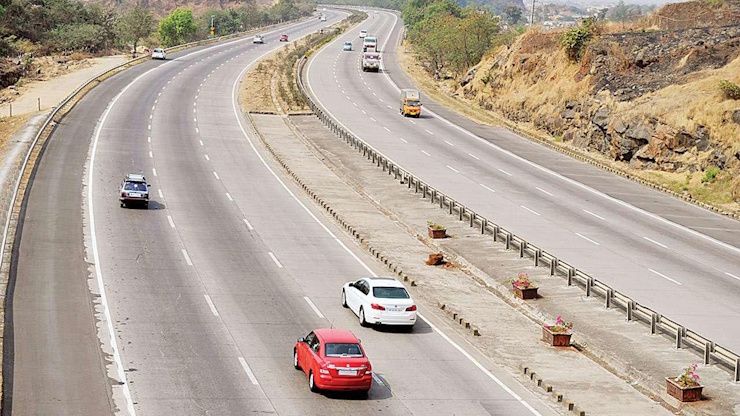
A lot of people today complain about the lack of safety and maintenance of the national highways and other public roads in India. So, to reduce these complaints, recently it has been reported that the National Highways Authority of India (NHAI) is planning to introduce a major tech-based upgrade for highway maintenance and road safety across the country. It has been reported that NHAI has identified more than 600 stretches, which cover nearly 40,000 km of national highways and expressways, where it will be deploying advanced AI-powered Dashcam Analytics Services (DAS) very soon.

The new initiative will use Artificial Intelligence (AI), Machine Learning (ML), high-resolution dashboard cameras, and data-driven analytics to monitor highway conditions in real time. Under this new system, specialised Route Patrol Vehicles (RPVs), which will be equipped with dashboard cameras, will conduct comprehensive weekly surveys across highway stretches.

These high-resolution cameras will continuously capture video footage and imagery of roads, which will then be processed using advanced AI and ML models. According to officials, the system will be capable of automatically identifying more than 30 different types of road defects. This will help in reducing the dependency on manual inspections and also help authorities in detecting problems faster.
The major focus of the project will be on pavement condition monitoring. The AI system will reportedly detect potholes, severe cracking, rutting, surface wear, and damaged road sections. Apart from pavement monitoring, this system will also monitor road furniture and highway infrastructure.

It will be capable of identifying damaged lane markings, faded lane markings, broken crash barriers, non-functional streetlights, damaged road signages, and reflective road stud issues. Officials have stated that a special emphasis will also be placed on road safety and encroachments. The AI monitoring system will keep track of illegal median openings, unauthorised signboards, illegal parking, roadside encroachments, and unsafe roadside obstructions.

Apart from the above-mentioned tasks, the authorities will also increase safety monitoring. NHAI will conduct night-time highway surveys, and there will be at least one weekly survey every month. It will reportedly be carried out during night hours to evaluate the visibility and performance of highway lighting, road signages, pavement markings, and reflective road studs.
The system will also monitor other maintenance-related issues such as water stagnation, waterlogging, missing drainage covers, vegetation growth, bus bay conditions, and drainage problems.
In order to ensure that the implementation is smooth and efficient, the entire country has been divided into five zones, which include North, South, East, West, and Central. NHAI has also issued a Standard Operating Procedure (SoP). It will provide detailed roles and responsibilities of stakeholders involved in the project.
This includes survey agencies, road maintenance divisions, and highway authorities. The authority is also developing a specialised IT platform for the project. The platform will include AI analytics modules, interactive dashboards, data management systems, and also real-time monitoring tools.
One of the biggest advantages of this system is that officials will be able to compare road conditions over time through side-by-side visual analysis. This will help track repair quality, maintenance progress, and deterioration trends much more efficiently. The AI-generated reports will also be integrated into NHAI’s central Data Lake platform to make sure that defect rectification can be done quickly.

This initiative has been rolled out at a time when the Ministry of Road Transport and Highways (MoRTH) has shifted its focus from just highway construction quality towards long-term maintenance and asset protection. As part of this larger strategy, the ministry is also planning to procure Intelligent Pavement Assessment Vehicles (iPAVe).
These advanced survey vehicles are capable of collecting both structural and functional pavement condition data. Trial runs of these high-tech vehicles have reportedly already commenced. Road Transport and Highways Minister Nitin Gadkari has also been actively reviewing highway quality and maintenance progress in multiple states, including Maharashtra, Uttar Pradesh, Punjab, Delhi, Haryana, Assam, Goa, and Tripura.